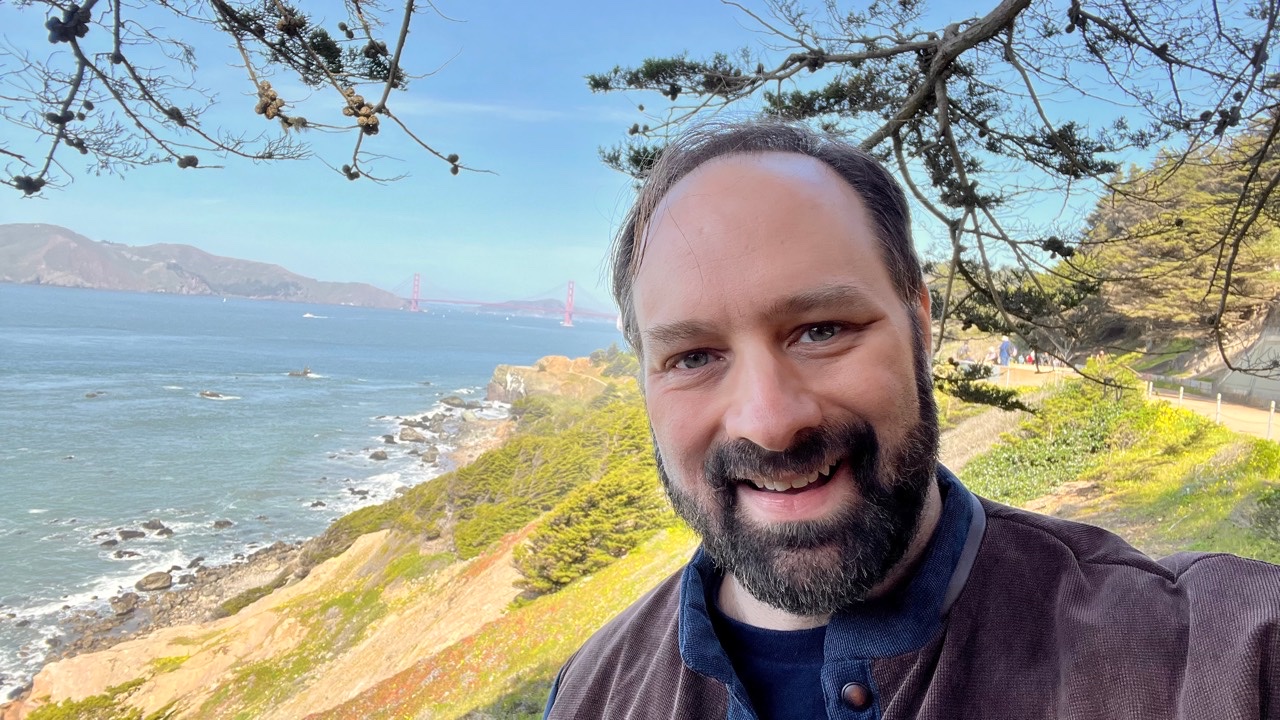
My story
When I was a kid, I dreamed that one day I would be an astronomer.
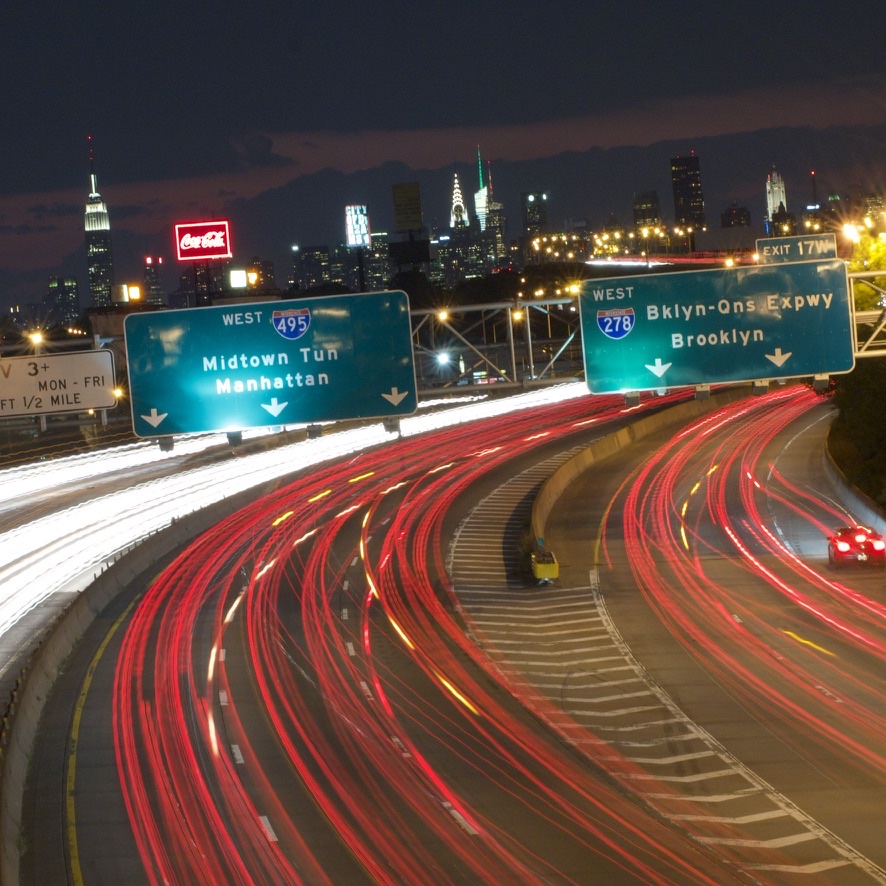
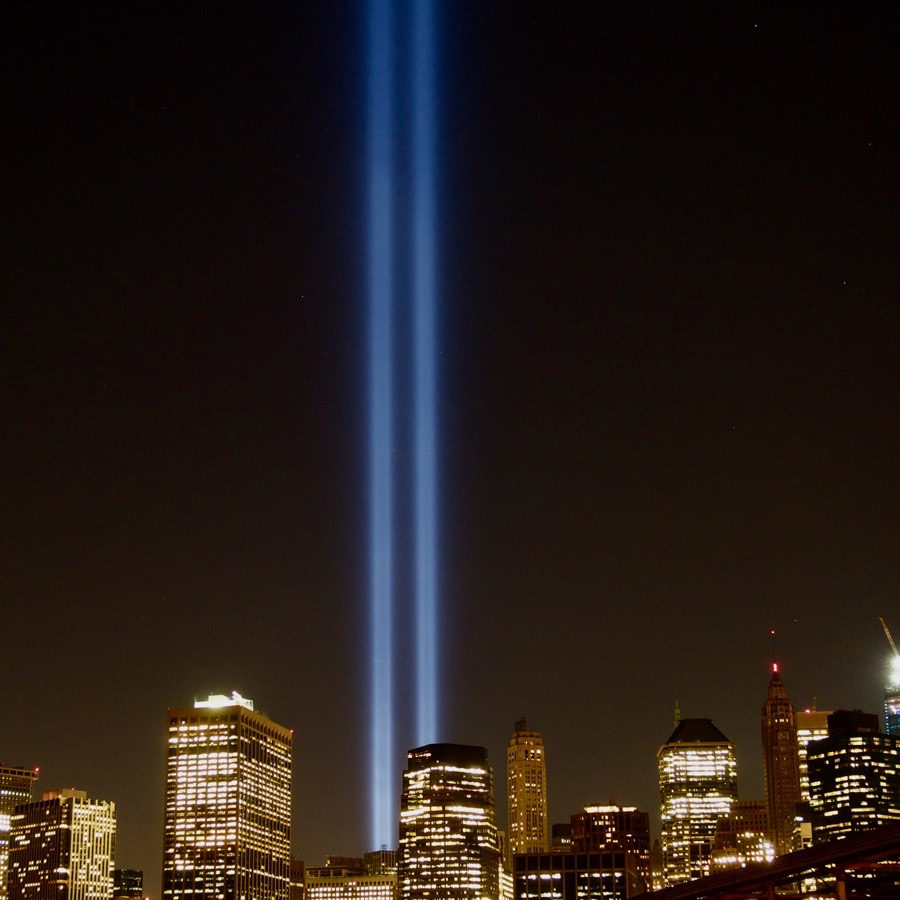
Growing up in Queens, we didn’t see many stars. But every summer, we would take a vacation to Fire Island, which actually had dark skies. On our walk home from town, my mom would show me Orion, Venus, and Jupiter—I still remember lying in the wagon, staring up at the night sky. I was fascinated by astronomy, space exploration, and the idea that there was an entire universe above us that most people never get to experience.
Life eventually took me in a different direction; I built a career in technology, raised a family, and (mostly) forgot about the stars. I enjoyed photography, though, and was fascinated by long-exposure night photography.
The sky I knew in Queens
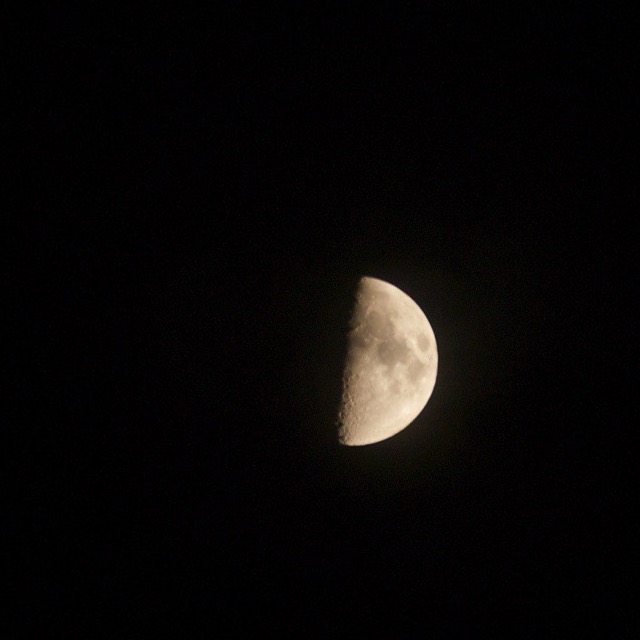
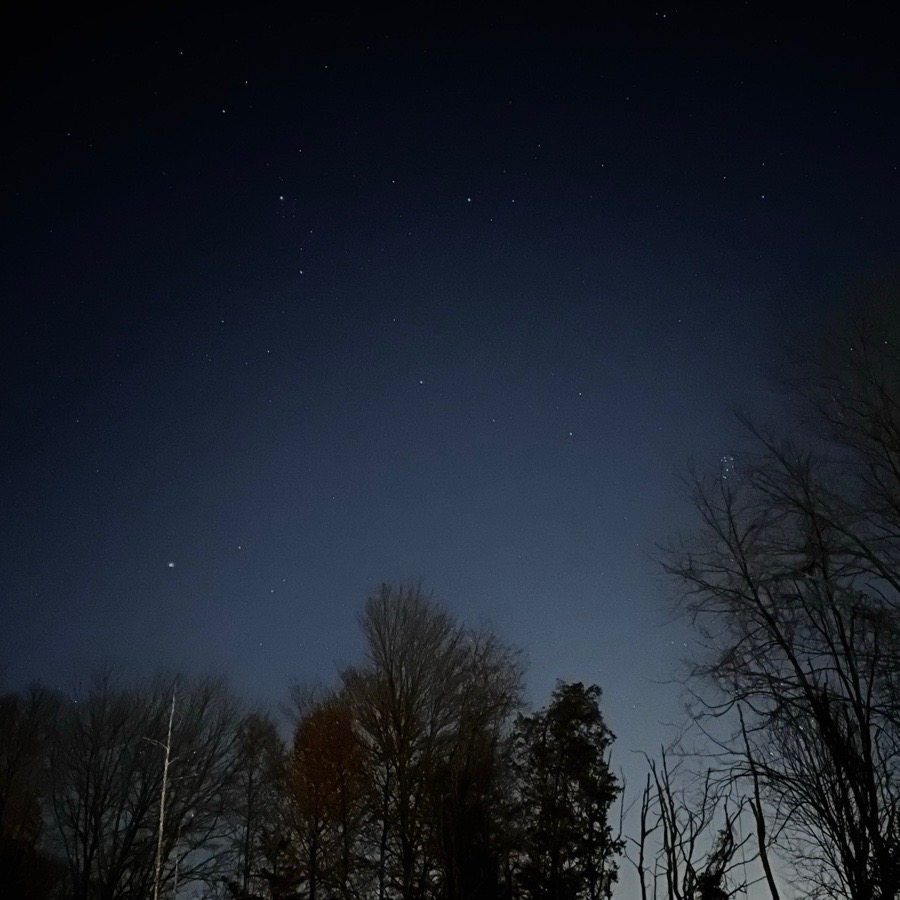
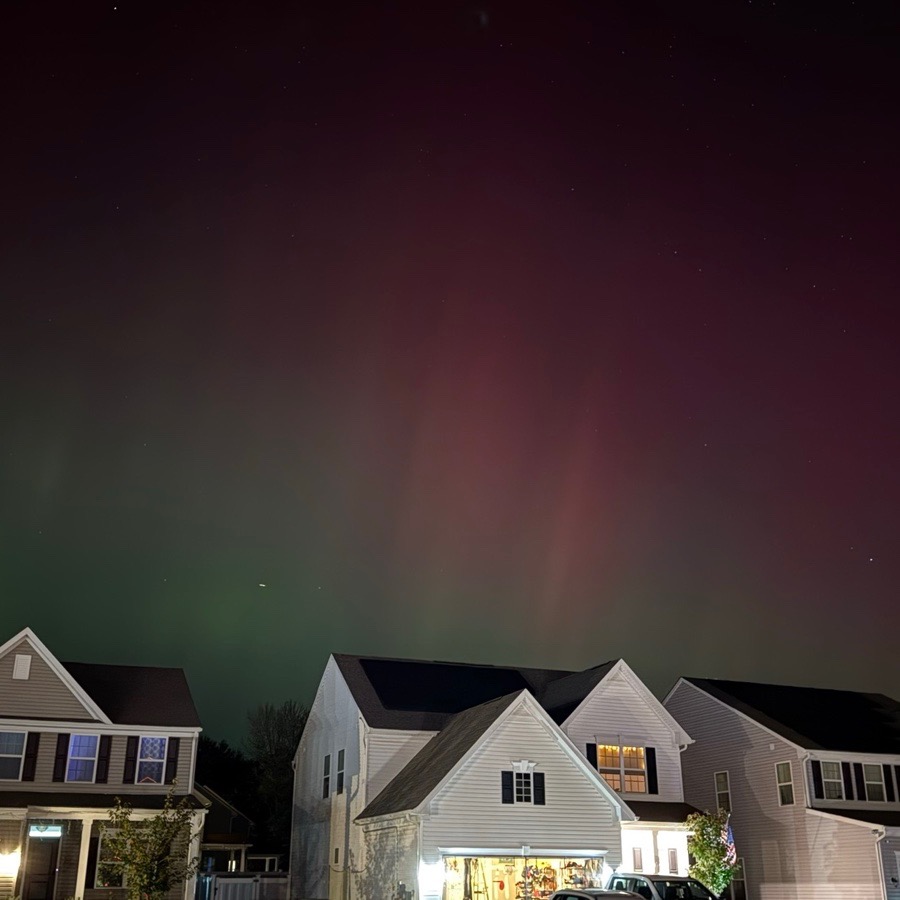
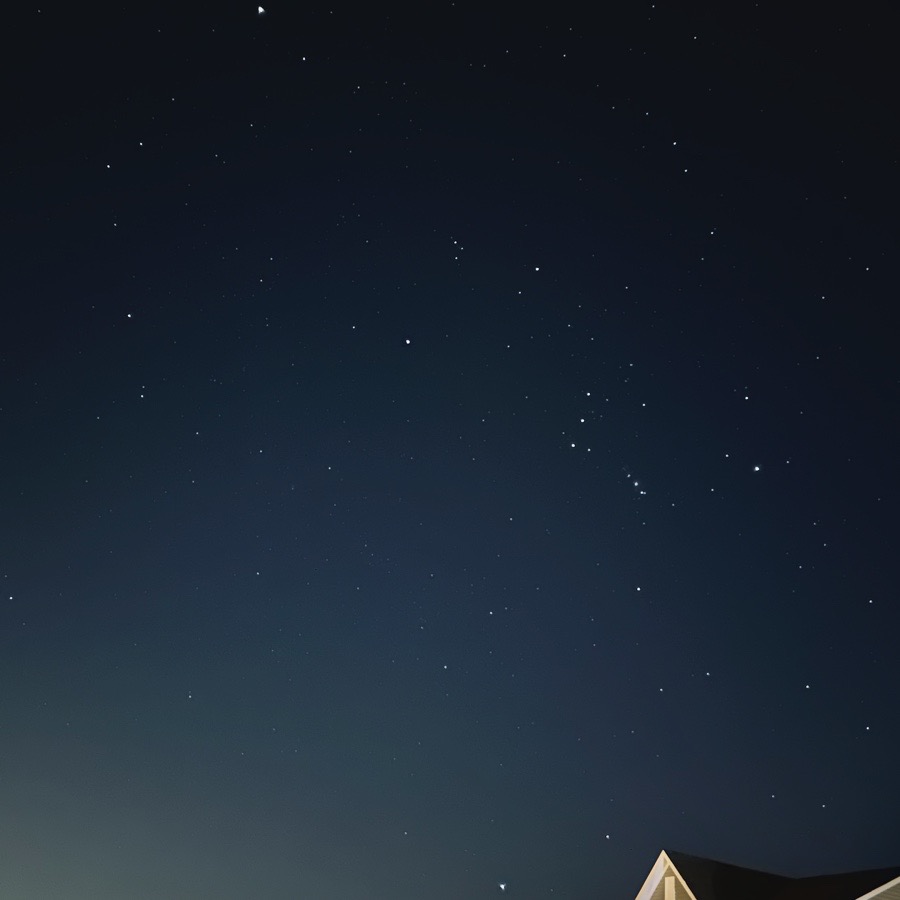
Years later, I found a very different sky above my new home in New Jersey. Before I owned a telescope, I was already photographing what I could see with an iPhone: dense star fields, Orion over the rooftops, and even the aurora above the neighborhood.
The sky I found in New Jersey
That renewed curiosity eventually led me from simply looking up to learning how to observe and photograph the sky more deliberately. I made my first smart-telescope image on January 1, 2026.
My first smart-telescope images
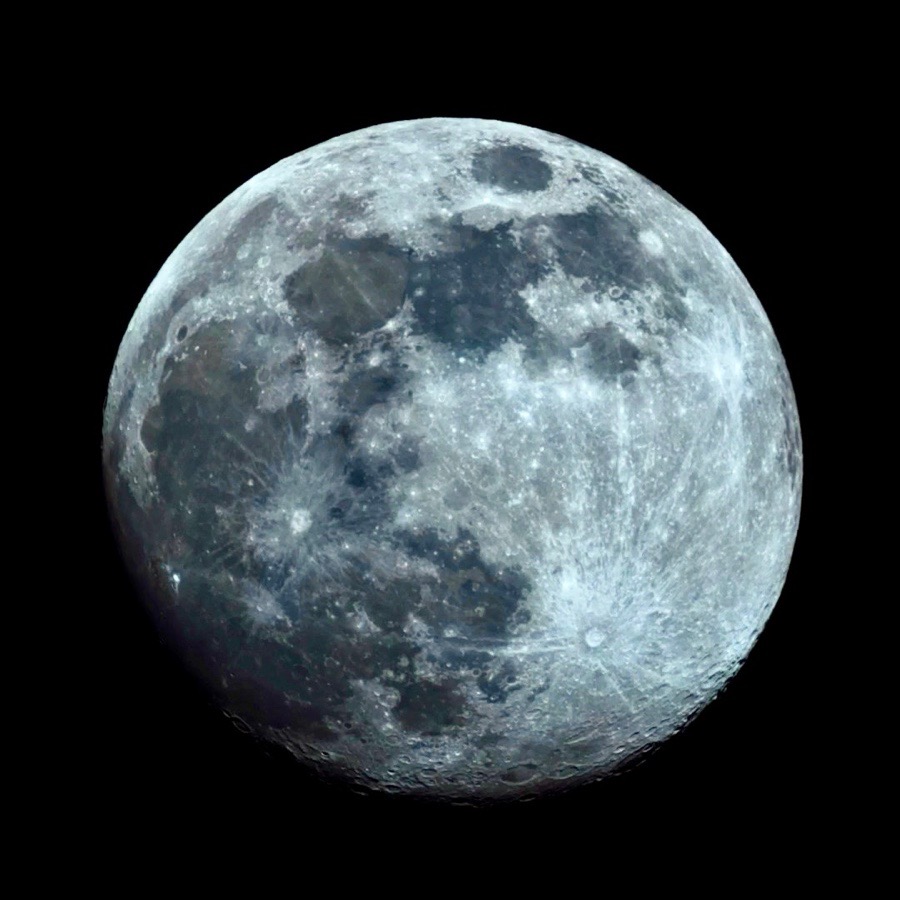
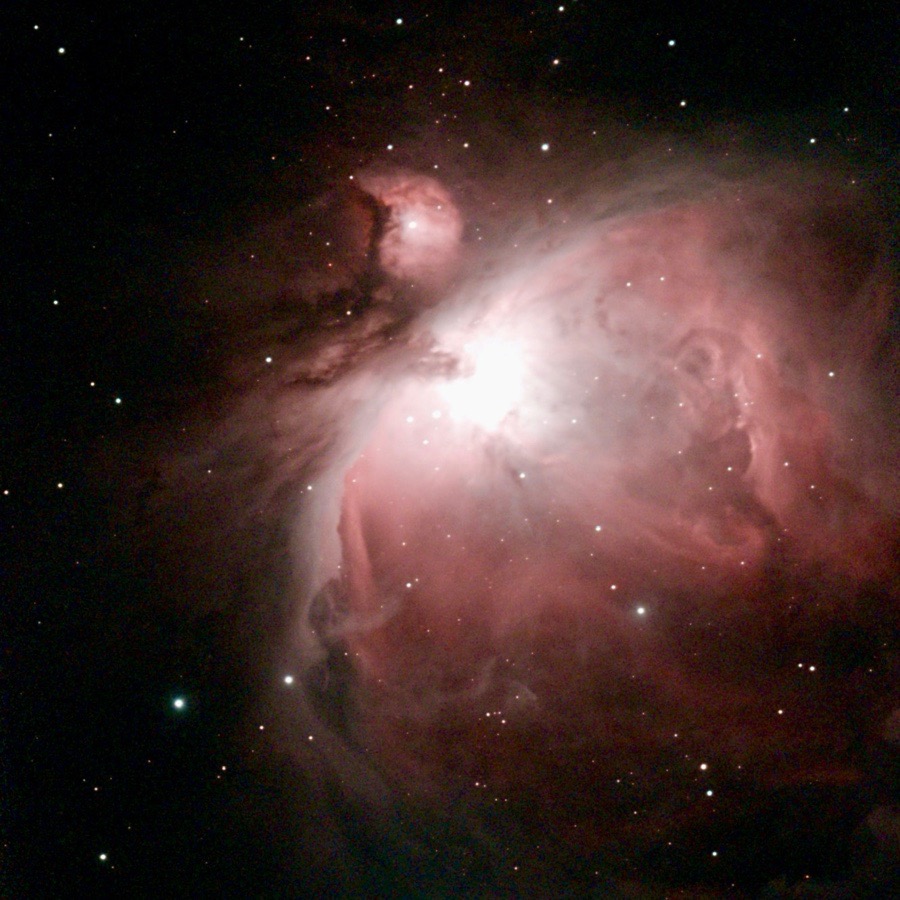
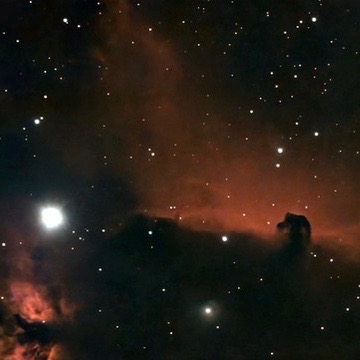
Those first results turned curiosity into a much deeper practice.
I’ve spent countless nights learning the sky, photographing galaxies and nebulae, and discovering just how much beauty is hidden above us. I’ve captured thousands of images of hundreds of galaxies, nebulae, and star clusters, and along the way I’ve found myself combining old passions with new ones: astronomy, software, data, and learning.
I’ve learned so much along the way: how our galaxy is structured, how stars are born and die, and how much of the universe is hidden from our eyes until we learn where and how to look. Every clear night seems to teach me something new.
That journey ultimately led me to build AstroGuide.
My perspective
Professionally, I’m a software architect working at the intersection of software development, algorithms, data and analytics, machine learning, and UX/UI. I have a particular passion for leading small teams, incubating early product concepts, and turning technically complex systems into experiences that feel coherent and approachable.
That background shapes how I approach astronomy. I tend to begin with the person and the decision in front of them, then work backward through the experience design, data, architecture, and software needed to help. In astrophotography, that means looking beyond the final image to the complete experience around it: choosing a subject, planning a session, configuring equipment, collecting data, processing the result, and making the process understandable to someone else.
The image may be the visible result, but the supporting context is what makes it reusable. My portfolio includes capture details, equipment configurations, processing notes, and downloadable data whenever possible. Some people want inspiration; others want to plan, compare, learn, or reproduce an experiment. The experience should support each of them without requiring everyone to begin from the same place.
Why AstroGuide exists
As I returned to the night sky, I found that the challenge was rarely a lack of information. Forecasts, catalogs, equipment specifications, site conditions, and observing guidance all existed, but they were fragmented. The harder problem was translating that data into a useful answer for a particular person: what can I see, when can I see it, and what will the experience be like with my equipment from my location?
That is why I created AstroGuide. Its architecture brings those different sources together; its algorithms and analytics add context; and its interface turns the result into practical guidance. My astrophotography portfolio completes the loop by documenting what happened when those plans met real equipment and a real sky.
The AstroGuide ecosystem
AstroGuide has grown into a connected group of products built around a shared data and workflow foundation. Each product is shaped for a different user need, but together they help people plan, learn, experiment, and make more informed choices about their time under the sky.
| Product | What it does |
|---|---|
| AstroGuide for iOS | The full native planning and learning experience, connecting observing conditions, site context, equipment, subject discovery, scheduling, and session review. |
| AstroGuide website | The public home for product explanations, planning guides, release notes, the AstroPlan standard, and project updates. |
| AstroGuide-Learn | An astronomy field guide that turns practical questions and community knowledge into approachable learning material. |
| AstroGuide-Portfolio | A public record of my astrophotography results, experiments, equipment comparisons, research projects, and reusable data. |
| AstroGuide-Explore | A streamlined browser-based AstroGuide experience for building and reviewing AstroPlan schedules with catalog, forecast, framing, site, and sky context close at hand. |
| Upgrade Advisor | An interactive guide for comparing smart-telescope models and platforms, exploring field-of-view differences, and understanding whether an upgrade is likely to help. |
How I work
| Layer | How I apply it |
|---|---|
| End-user challenge | Begin with the decision, friction, or unanswered question someone is actually facing. |
| Experience design | Shape a clear path through complex information without hiding the context people need to trust it. |
| Data and analytics | Organize observations, catalogs, forecasts, equipment, and results so they can support useful comparisons and recommendations. |
| Software architecture | Build shared foundations that can serve multiple products while keeping each experience focused on its own audience. |
| Field validation | Use the tools under real conditions, study where the experience breaks down, and bring those lessons back into the product. |
| Learning and communication | Share the decisions, experiments, surprises, and wrong turns so the process can help someone else move forward. |
I work iteratively: observe a real challenge, build a coherent response, use it in practice, study the result, and refine both the experience and the systems behind it. Astronomy gives me a demanding environment for that process—one where the data is complex, the conditions change constantly, and the quality of the interface can determine whether useful information becomes an informed decision.
Behind the scenes
The visible products depend on a less visible layer of data pipelines, automation, and operational tooling. I build these systems to remove repetitive work, improve data quality, and make the handoffs between products more reliable. They are working parts of the architecture today, but some may eventually become products of their own.
| Tool or process | What it powers |
|---|---|
| Library Builder | A series of scripts that automatically imports, tags, normalizes, and stages image data from my smart and traditional rigs so it is ready for processing. |
| Results Ingestor | Takes in finished projects, organizes their images and metadata, and rebuilds AstroGuide. |
| Results Harvester | Reviews finished results and creates reusable image cutouts for catalog subjects that do not yet have metadata imagery. |
| Facebook Importer | Creates the backing catalog for AstroGuide by processing regularly scheduled Facebook extracts into a privacy-safe, structured source archive. |
| Catalog Manager | Ingests comet data, synthesizes close-approach data, and lets me add one-off entries for objects and events I encounter along the way. |
| Ops Check | A set of tools that monitors repository, deployment, dependency, and local-service status across the AstroGuide ecosystem. |
Collaboration
I’m interested in collaborating with astronomy organizations, equipment makers, software developers, educators, and communities working where domain expertise, software, data, and user experience meet.
I’m particularly drawn to real end-user challenges involving product incubation, field testing, beginner-to-intermediate learning, imaging workflows, equipment comparison, accessibility, and thoughtful product design. The most interesting work begins with a genuine need and uses the right combination of technology and design to make the answer useful in practice. Any equipment, discounts, sponsorships, affiliate relationships, or other support associated with published work will always be clearly disclosed.
Support AstroGuide
AstroGuide is an independent project. If it has helped you plan a night, understand the sky, or make a more informed equipment choice, there are several ways you can help it keep growing.
| Action | How it helps |
|---|---|
| ✨ Subscribe | Support ongoing development and unlock the full AstroGuide experience on iPhone and iPad. |
| 🌟 Leave a review | Help more people discover AstroGuide and understand how it can support their time under the sky. |
| 📣 Share AstroGuide | Send AstroGuide to a friend, astronomy group, or anyone who might find it useful. |
| ☕️ Buy Me a Coffee | Contribute directly to the independent development, research, and infrastructure behind AstroGuide. |